How to Take Better Self-Portraits After 50: 5 Simple Tips
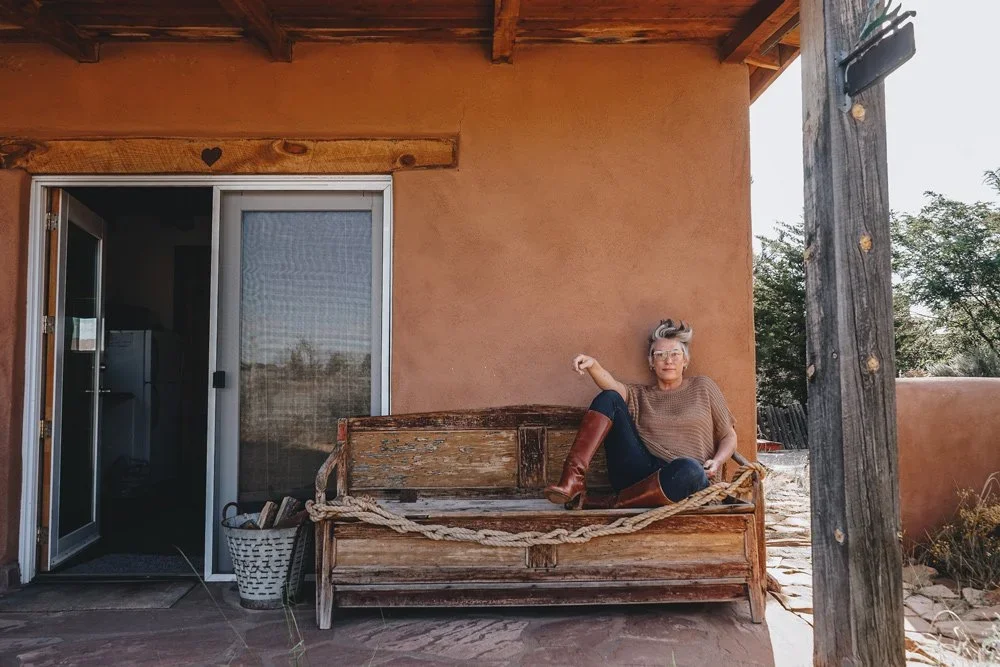
At 24, 30, or 42, aging wasn't on my mind as it is now in my 50s. The signs gradually appear over time … until one day, you glance in the mirror and wonder, when did that happen?
Things feel different. Our hair gets drier and grayer, pores get bigger, and skin gets duller and droopier. Our hormones go out of whack, and our bodies change in ways we never thought possible. And the stresses of life are different too. Careers, relationships, aging parents, changing families, loss, reinvention. It all shows up on our faces and in how we see ourselves.
So, getting a great self-portrait can take more effort, time, good lighting, and the right angles.
And I know it can feel intimidating, awkward, or maybe even a little narcissistic to post photos of yourself online.
But when you’re a business owner, you’re part of what people are connecting with. They want to see the person behind the work.
Photos of you, your space, and the little pieces of your world can communicate so much about your personality, aesthetic, and what it might feel like to work with you.
So how do you go from please don’t take my picture to willingly turning the camera on yourself?
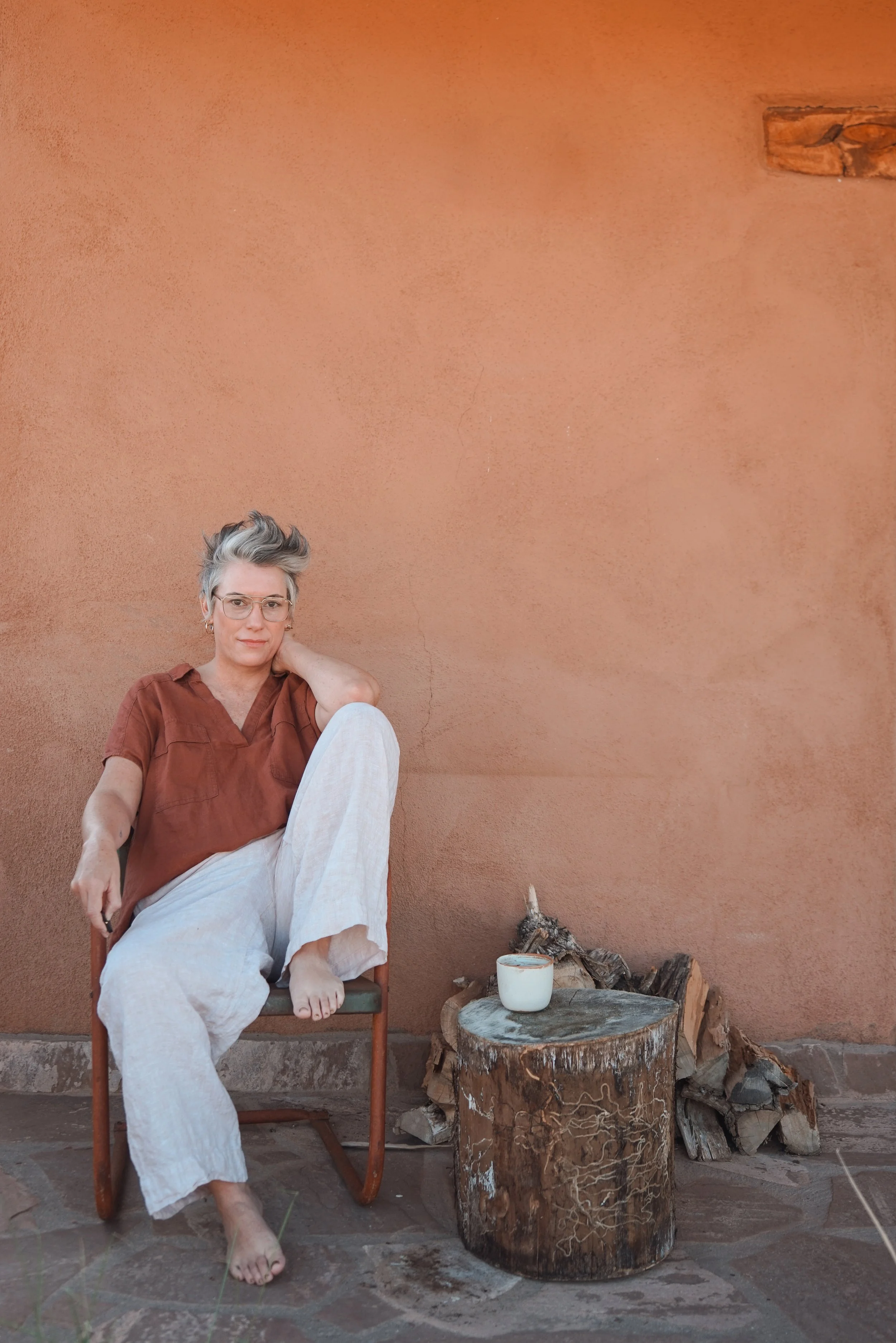
For midlife women, great self-portraits start with mindset.
It’s recognizing how far we’ve come and owning every wrinkle, laugh line, and imperfection as a testament to a life lived. And I know this isn’t easy to do. But the less we pick ourselves apart on camera, the more of who we actually are comes through.
That’s easier said than done when so much is changing during this time of life. But learning to accept who you are now, instead of constantly comparing yourself to who you were then, can change the way you see yourself in photographs.
A self-portrait captures this version of you. Not the younger you. Not the person you used to be. You, now.
Here are 5 Simple Tips that will help you Take Better Self-Portraits:
Get a Clicker: A little Bluetooth remote makes self-portraits so much easier. No clicker? Set your phone or camera to self-timer mode and give yourself enough time to get into position.
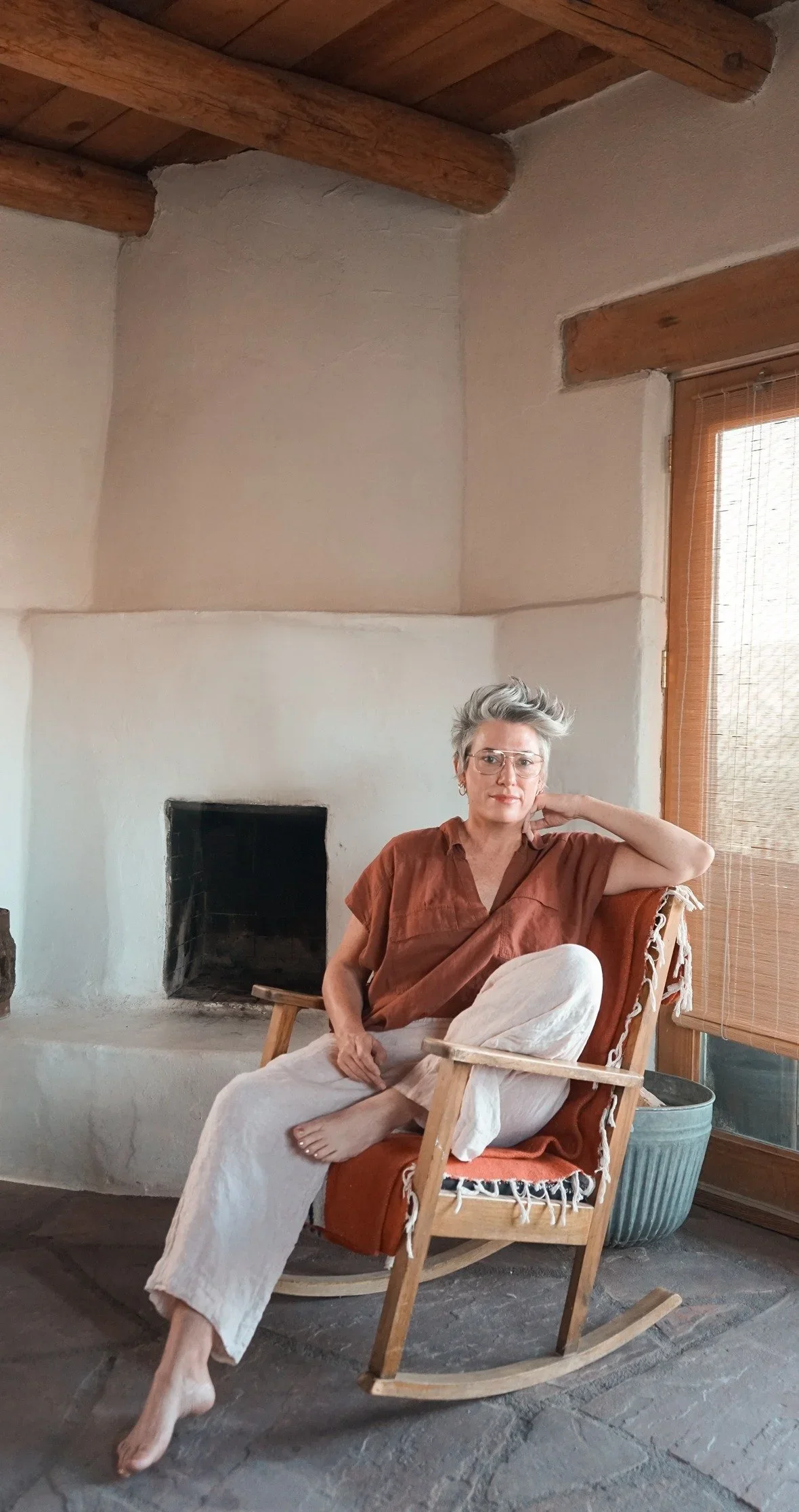
Dress With Intention: Choose colors and textures that photograph well and still feel like you. Natural textures like linen, cotton, knits, and woven fabrics add visual interest without being distracting. Avoid anything overly bulky or stiff, which can add unnecessary volume on camera.
Find Good Light: Soft, natural light is usually the most flattering. Try facing a window or shooting outdoors in open shade to avoid harsh shadows.
Consider Your Background: Keep it intentional and relatively uncluttered. Look for interesting walls, textures, and environments that complement you without competing for attention.
Make Triangles + Subtle Shifts: Bend an elbow, cross a leg, tilt your head, turn your shoulders, or shift your weight. Creating little triangles and angles with your body adds dimension and visual interest. You don’t need big, dramatic movements. Tiny shifts can completely change the feeling of a photo and keep you from looking stiff or overly posed.
As we get older, taking a self-portrait becomes less about trying to look like we did 3, 5, or 10 years ago and more about getting comfortable with the woman looking back at us now.
That can take some adjusting. Maybe a little more patience, better light, and figuring out what angles feel good. But it also means letting go of the idea that every photo needs to make us look younger, thinner, or somehow different.
Self-portraits aren’t about vanity. They’re a way of saying, this is me, right now. This face, this body, this version of myself.